The Sequence of Events
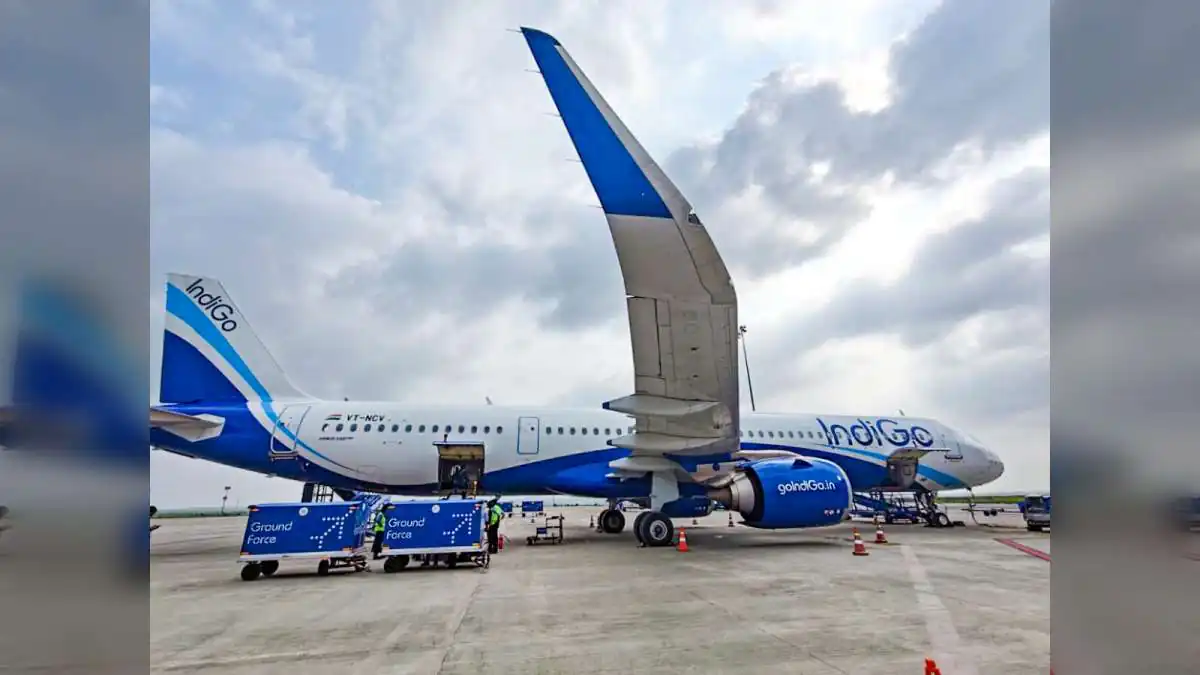
Flight number 6E 2102 departed North Goa at 9:16 am, headed for Delhi. Shortly after take-off, however, the crew detected a technical issue and made the decision to turn back to base.
Air Traffic Control declared a full emergency at nearly 9:30 am as the aircraft headed back to Goa's Manohar International Airport. The pilots executed the return safely, landing the aircraft without incident.
All passengers were disembarked safely with no injuries. They were subsequently accommodated in the boarding area while the airline arranged alternative travel plans.
The Airline's Statement
Responding to the incident, IndiGo issued a detailed statement outlining what had happened and how it was handled.
"A technical issue was detected, shortly after take-off, on IndiGo flight 6E 2102 operating from North Goa to Delhi. Following the standard operating procedure, the relevant authorities were informed, and the pilots turned back and landed the aircraft safely at Manohar International Airport," the airline said.
The statement confirmed that the aircraft is currently undergoing maintenance checks and will resume operations after securing all necessary clearances — the standard technical validation process that follows any such incident.
Focus on Passenger Comfort
The airline also addressed the disruption experienced by its customers.
"We regret the inconvenience caused to our customers and made every effort to minimise it, including offering refreshments and timely updates," the IndiGo Spokesperson said.
The carrier confirmed that it has made alternative arrangements for customers to reach their destination — a critical operational detail that determines how significantly a disruption of this kind affects passenger schedules.
"The safety of our customers, crew, and aircraft remains our top priority at IndiGo," the airline added.
How the Crew and ATC Responded
While the phrase "full emergency" naturally sounds alarming to passengers and observers, it is important to note that it also represents exactly the kind of formal, structured protocol activation that aviation systems are designed to execute in real time.
When a crew detects a technical concern shortly after take-off, standard procedure calls for immediate coordination with ATC, a return to the origin airport (or the nearest suitable one), and full deployment of ground emergency services on standby. The safe landing of flight 6E 2102 at Manohar International Airport reflects precisely how well-drilled that entire chain of communication and action is at Indian airports and airlines today.
The Recent IndiGo Backdrop
Tuesday's incident comes in the wake of some other recent operational concerns at the airline. Earlier last month, IndiGo's website faced technical disruptions, leaving several passengers unable to book flights, complete web check-ins or access certain online services. Some users also reported difficulties logging into the airline's mobile application.
The airline acknowledged the issue through a service advisory, stating that it was experiencing intermittent problems with its core reservation platform and that the disruption could make it difficult for some customers to access its online services.
That advisory came just two days after IndiGo had reported a similar problem with its core reservation system — flagging intermittent issues that could affect customers' access to online services.
Together, these incidents underscore the operational complexity that comes with running India's largest domestic airline at scale — where technology, aircraft, ground operations and customer service all need to work seamlessly across hundreds of daily flights.
Why It Matters
For India's aviation industry, incidents like Tuesday's emergency return serve as important reminders of both the risks that come with commercial flying and the robustness of the safety systems that manage those risks. Every safe return, every successful emergency landing, every well-coordinated ATC-cockpit exchange reflects the professionalism of India's aviation ecosystem.
For passengers, the outcome — safe disembarkation, refreshments, timely updates and alternative travel arrangements — represents exactly how disruptions should be managed when they occur.
Passenger Experience
For the passengers of flight 6E 2102, Tuesday morning was undoubtedly stressful. A flight taking off from Goa on a routine morning schedule, only to turn back shortly thereafter with a "full emergency" declared, is exactly the kind of moment that stays with travellers long after the incident is resolved.
That said, the fact that everyone disembarked safely — with clear communication from the crew, refreshments provided at the boarding area, and alternative travel arrangements activated by the airline — reflects the kind of passenger-centric handling that helps rebuild trust after any operational scare.
Industry Impact
For IndiGo, the incident will now be followed by the standard chain of technical evaluation and reporting. Every such event triggers a detailed investigation into the specific technical trigger, followed by inspections, engineering sign-off and clearance procedures before the aircraft returns to service.
For India's civil aviation regulator, incidents like these also feed into the broader safety and reliability data that shapes ongoing oversight of airline operations.
The Bigger Picture
Tuesday's emergency return of IndiGo flight 6E 2102 is, at its heart, a story of a well-managed aviation incident. A crew that identified an issue quickly. A pilot team that made the right call to return. An ATC system that coordinated the emergency with speed. An airport ground team that received the aircraft safely. And an airline that stepped up on the customer service side to minimise the impact on passengers.
That's exactly the kind of quiet, well-executed institutional response that keeps India's aviation ecosystem safe and reliable, day after day.
As IndiGo now works through the technical checks on the affected aircraft, and as its passengers continue their onward journeys through alternative arrangements, the takeaway remains the same one that defines aviation safety around the world — every safe landing is a success. Every prompt return is a good decision. And every passenger walking off unharmed after an emergency is proof that the system worked exactly as it was designed to.
For IndiGo, the coming days will likely bring detailed technical evaluation and continued focus on operational reliability. For passengers, the message from Tuesday's incident is a reassuring one — when things go wrong at 30,000 feet, the systems built to bring you home safely are working exactly as they should.
Also Read: IndiGo Website Hit by Second Tech Glitch in One Week