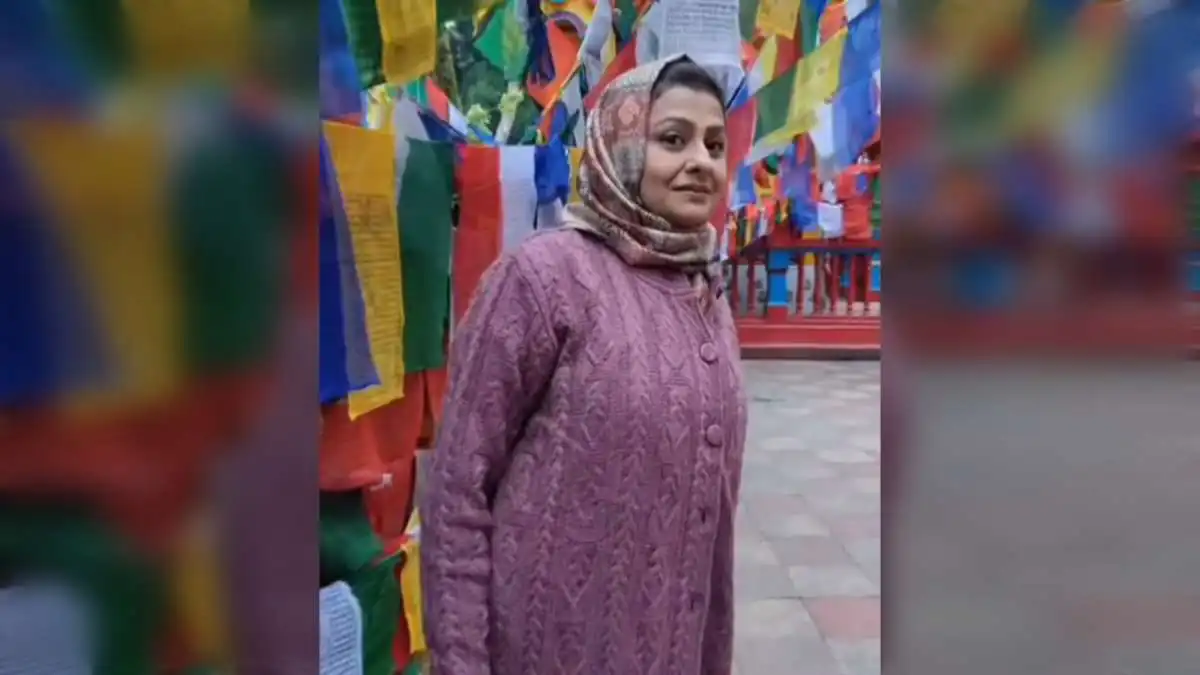
In an Instagram post accompanied by video footage, the veteran performer captured the temple’s misty setting, the sound of bells, fluttering prayer flags and the measured footsteps of visitors. She wrote: “Between the mist, the bells, the fluttering prayer flags, and the quiet footsteps of strangers, there was a strange sense of peace. The Mahakal Temple isn’t just a place of worship. It’s a reminder that faith can exist together. Here, Hindu and Buddhist prayers have echoed side by side for generations, on the very hill that gave Darjeeling its name.”
Bhattacharya further reflected on the generations of devotees who have climbed the temple’s ancient steps. “I kept wondering how many people must have climbed these ancient steps carrying hope, gratitude, heartbreak, or simply a quiet conversation with God. I left with a lighter heart.”
In the accompanying video she is heard saying, “Shooting is complete and we are off and we choose to go to the Mahakaal temple.” The footage offers glimpses of the temple’s serene surroundings and the contemplative atmosphere that marked her visit.
The Mahakal Temple, situated on Observatory Hill, has long been regarded as a site where Hindu and Buddhist traditions coexist. Bhattacharya’s observations align with the temple’s established reputation as a shared sacred space, a point she emphasised by noting that prayers from both communities have been offered there for generations.
Bhattacharya began her screen career with supporting roles in films such as Devdas and Lajja. She gained wider recognition in 2000 for her portrayal of the antagonist Payal Mehra in the long-running television series Kyunki Saas Bhi Kabhi Bahu Thi. Subsequent television appearances included Banoo Main Teri Dulhan, Kasamh Se (as Jigyasa), Jhansi Ki Rani (as Sakku Bai) and Badho Bahu. She also featured in a cameo in the film Fiza and later played Sub-Inspector Vimla Bharadwaj in the crime series Delhi Crime alongside Shefali Shah and Rasika Dugal.
Her decision to share the temple visit publicly comes at a moment when many public figures continue to document personal spiritual experiences. By focusing on the coexistence of faiths rather than individual ritual, Bhattacharya framed the Mahakal Temple as a space that transcends singular religious identity and instead affirms the possibility of shared devotion.
The post has drawn attention to a lesser-highlighted aspect of Darjeeling’s cultural landscape—the long-standing practice of joint Hindu-Buddhist worship at a single site. For Bhattacharya, the visit concluded with a sense of lightness, an outcome she attributed to the temple’s atmosphere of quiet coexistence.