The March: Planned Siege, Prepared Response
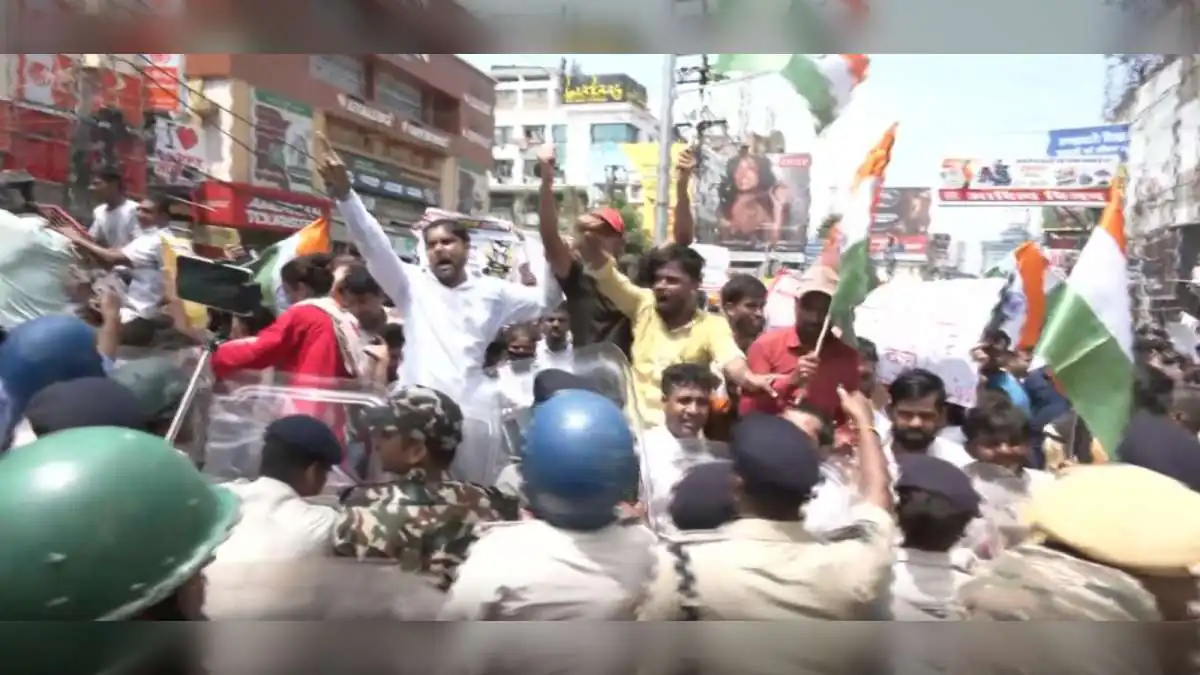
The Tuesday protest was not spontaneous. Student organisations had publicly announced their intent to lay siege to the Chief Minister's residence, prompting the Patna administration to activate extensive security arrangements across the capital. Additional police personnel and senior officers were deployed at key locations leading to Lok Bhawan — including Dakbungalow Crossing and Income Tax Golambar. Water cannons and 'Vajra' riot control vehicles were kept on standby as authorities braced for potential flare-ups. Despite the deployment, the sheer numerical strength of the protesters overwhelmed several barricades.
The Scuffles: Barricades Broken, Warnings Ignored
Agitating students tried to break through the police barricades erected at multiple checkpoints, ignoring repeated warnings by the Patna Police. They gathered in large numbers, chanted slogans and attempted to advance towards Lok Bhawan while police personnel tried to contain them. The intensity of the confrontation drew comparisons to previous rounds of student agitation in the state — but the scale, mobilisation and clarity of demands this time signal a new level of coordination among protest organisers.
The Core Demands: A Detailed Charter
The protest is not driven by a single grievance but by a layered set of demands. The primary asks include the abolition of negative marking in the Bihar Public Service Commission's (BPSC) teacher recruitment exam TRE-4, and the conduct of the exam in a single phase rather than a multi-stage format. Beyond that, students are demanding: an announcement of the date for the BSSC Inter-level exams, cancellation of the 70th BPSC exam paper amid allegations of irregularities and leaks, and an inquiry into the Sub-Inspector (Daroga) recruitment process. Collectively, these demands stitch together a wider narrative — one that questions the integrity, structure and fairness of Bihar's recruitment ecosystem.
The Alleged Irregularities: BPSC's Credibility Under Pressure
The intensity of the protest is being fuelled by widespread allegations of irregularities and paper leaks in recent BPSC-conducted exams. For aspirants who often invest years — and considerable personal resources — into preparing for these exams, allegations of exam malpractice strike a deep emotional chord. The demand for cancellation of the 70th BPSC exam paper, in that sense, is not merely procedural; it is a call for the restoration of trust in the system.
Monday's Dialogue Ended Without Full Consensus
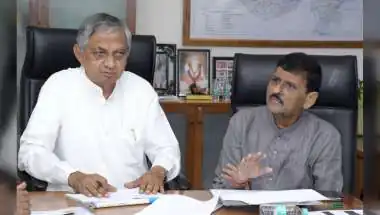
Ahead of Tuesday's escalation, senior government officials — including the Education Secretary and the Patna District Magistrate — engaged in dialogue with student representatives on Monday, in an attempt to defuse tensions. While agreement was reportedly reached on several issues, no consensus could be achieved on the two most emotionally charged demands — the removal of negative marking for TRE-4 and the holding of the exam in a single stage. The failure to bridge that gap directly set the stage for Tuesday's street mobilisation.
Why It Matters: Bihar's Youth Bulge Meets Recruitment Bottleneck
Bihar has one of the largest youth populations in the country, with lakhs of aspirants competing for a limited number of government jobs each year. In such a demographic scenario, every recruitment cycle carries outsized emotional and economic weight. Any perceived unfairness — whether around exam structure, marking systems or paper integrity — can quickly transform from a policy grievance into a full-blown political flashpoint. The TRE-4 controversy is a textbook example of that dynamic in action.
Industry Impact: The Coaching Ecosystem Weighs In
Bihar's coaching hubs — from Boring Road in Patna to smaller institutes in the districts — form the backbone of the state's exam preparation economy. Any structural change in the format of TRE-4, or the cancellation of the 70th BPSC paper, will ripple through this ecosystem, affecting course structures, revision plans and the operational calendars of thousands of coaching institutes. That is why student demands here are not just individual grievances but industry-shaping developments.
Political Angle: The Government's Balancing Act
For the state government, the protest presents a delicate balancing act. Conceding to all demands may be perceived as ceding too much ground; ignoring them risks alienating the state's most politically vocal demographic. Every recruitment-related protest in Bihar carries subtle electoral undertones, and the coming days will test the administration's ability to combine firm policing with genuine dialogue and structural reform.
Security Optics: A Fine Line to Walk
The visible deployment of water cannons, riot vehicles and additional police personnel signalled the state's intent to maintain order. However, images of students clashing with police and breaking barricades are the kind that can rapidly go viral — sharpening public sympathy for the protesters and amplifying scrutiny of law enforcement's response. The police, in that sense, are walking a very fine tightrope between enforcement and restraint.
Audience Sentiment: Wide Public Backing for Reform
Across Bihar's social media, the mood has been visibly sympathetic to the students. Aspirants, past exam-takers, coaching mentors and even some political voices have amplified calls for reform in exam structures and integrity mechanisms. In such a saturated recruitment landscape, procedural fairness has emerged as a non-negotiable expectation — one the state administration will have to increasingly prioritise if it wants to preserve public confidence in the recruitment system.
The Broader Story: Not Just a Bihar Problem
While Tuesday's protest is playing out on Patna's streets, the underlying issues echo challenges being faced by aspirants across the country. Paper leaks, opaque marking systems, multi-stage exam formats and unpredictable exam calendars are structural pain points that transcend state boundaries. The Bihar protest, in that sense, could well be a precursor to more coordinated aspirant-driven mobilisations in other states going forward.
What Comes Next
The immediate priority for the administration will be to restore order in Patna, prevent further clashes, and reopen negotiations with student representatives in a more structured setting. Meaningful, time-bound assurances on TRE-4 exam structure, negative marking and BPSC paper integrity will likely be central to any de-escalation. Beyond that, longer-term reforms — including tamper-proof exam delivery and transparent grievance redressal — will need to move from policy discussion into concrete implementation.
The Bigger Picture
At the heart of Tuesday's protest is a simple but powerful message from Bihar's aspirants — that the road to government employment must be paved with clarity, credibility and consistency. Their willingness to march on Lok Bhawan, break barricades and face police action is not the outcome of a fringe agitation; it is the culmination of years of anxiety around exam fairness and career prospects. Whether the state government reads this moment as a challenge to be managed or an opportunity to reform will determine not just the fate of TRE-4, but also the tone of Bihar's larger conversation around youth, employment and trust in public institutions.
Also Read: The Onam Sadhya: How Kerala's 26-Course Banana-Leaf Feast Still Holds Firm