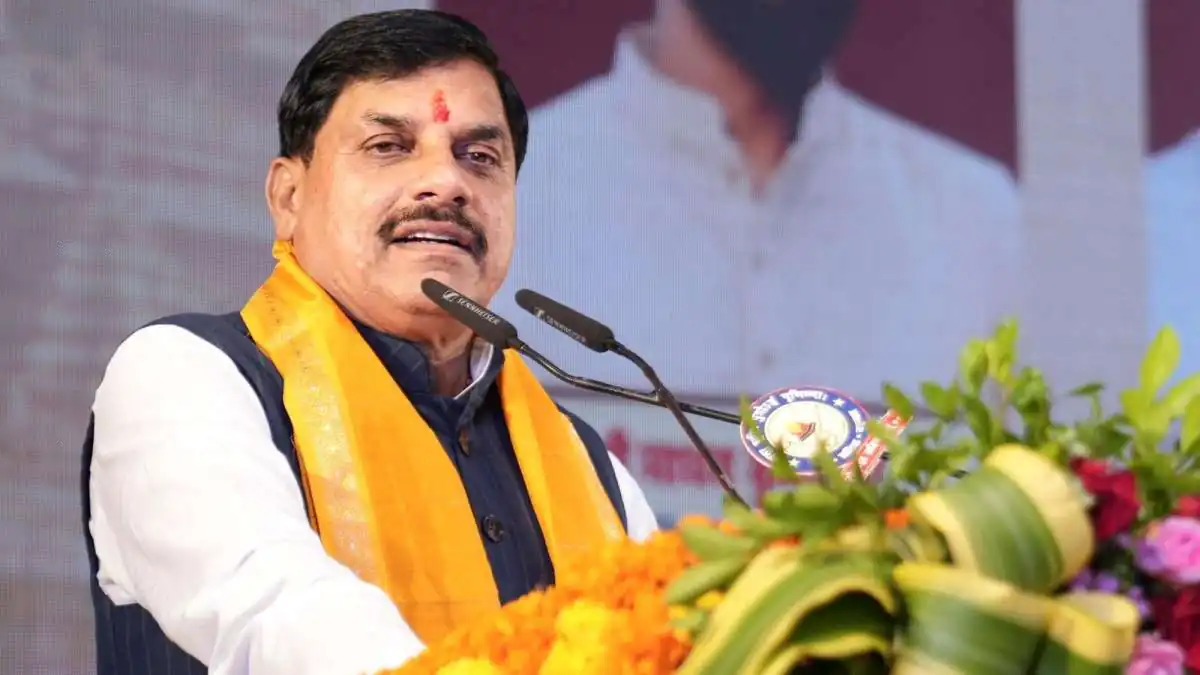

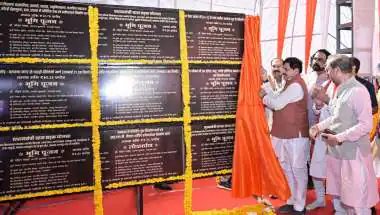



































Gwalior is better known for its hilltop fort and classical music heritage than for circuit boards and network equipment. The Madhya Pradesh government now wants that to change. At an investors' meet in Bhopal on Thursday, Chief Minister Mohan Yadav and Union Communications Minister Jyotiraditya Scindia launched the first phase of the Gwalior Telecom Manufacturing Zone (TMZ). The first phase has already drawn investment proposals worth Rs 3,611 crore, which are expected to create more than 15,000 jobs.
Speed is the real story
Investment summits in India often produce large MoU figures that never turn into factories. The detail that stands out here is the timeline. The state signed its agreement with the Union Telecom Ministry in July 2026 and issued allotment letters within four to five months, which is quick by the usual standards of industrial land allocation.
Yadav made the same point. "Under the leadership of Prime Minister Narendra Modi, the country is changing. With the strength of the double-engine government, Madhya Pradesh is not limited to announcements but is taking development projects to the ground at a rapid pace," he said.
He added that the state had removed around 27 unnecessary compliance requirements and 925 laws to make business operations easier, and was offering land, electricity and water at affordable rates.
The project will be developed jointly, with the state holding 51 per cent and the Centre 49 per cent. Union Telecom Department Additional Secretary Shyamal Mishra said the Centre had provided Rs 493 crore for the first phase. The zone will offer a plug-and-play facility along with research and development infrastructure.
Why Gwalior, and why now
The timing follows a decade of rapid growth in India's digital use. Scindia said broadband subscribers rose from six crore in 2014 to 102 crore, internet connections from 25 crore to 110 crore, and around 50 crore people now use 5G services.
"India is moving from being the largest consumer of telecom services to becoming a service provider," he said.
Yadav pointed to the manufacturing side of that shift. Electronics manufacturing has grown seven-fold and mobile manufacturing 35-fold since 2014, while electronic equipment exports have risen from Rs 38,000 crore to Rs 4.24 lakh crore. Most of that growth has gone to established clusters in Tamil Nadu, Uttar Pradesh and Karnataka. Gwalior's pitch is to give central India a share of it.
Location helps. Scindia said the upcoming Gwalior-Agra expressway will cut travel time between the two cities to around 50 minutes, and the zone is about 20 minutes from Gwalior's international airport. That puts it within reach of the NCR market and supply chains.
What to watch
The 15,000-job estimate depends on proposals becoming working factories. If phase one's 25 units start production on schedule, the 450-acre second phase could attract larger anchor investors and turn the Gwalior-Chambal region into a real electronics corridor. For now, the project has moved further from announcement to allotment than many similar efforts do.
With inputs from IANS