































Rice Prices: Centre Doubles OMSS Sale to 50 LMT

Traders must now declare rice stocks every Friday, five southern states can cap stocks till Jan 2027, and OMSS sales double to 50 LMT. Here’s what changes.

Raaisha Upadhyay
Raaisha Upadhyay Verified Public Figure • 16 Mar, 2026 Editor
Nov 6, 2026 • 9:46 PM  4
B
Business
NEWS CARD
Logo
Rice Prices: Centre Doubles OMSS Sale to 50 LMT
“Rice Prices: Centre Doubles OMSS Sale to 50 LMT”

Favicon
Read more on en.nav18.in/s/1611c1
6 Nov 2026
https://en.nav18.in/s/1611c1
Copied
Rice Prices: Centre Doubles OMSS Sale to 50 LMT

By October 31, with five months of the financial year still to go, the government had already sold its full planned quantity of 25 lakh metric tonnes (LMT) of rice through the Open Market Sale Scheme (Domestic). That one figure explains much of the action the Centre announced on Friday to keep rice prices in check.

The measures attack the problem from several sides. Traders now have to disclose what they hold. States can cap stocks where needed. More grain will be pushed into the market, and more subsidised rice will reach consumers directly.

Making stocks visible, every week

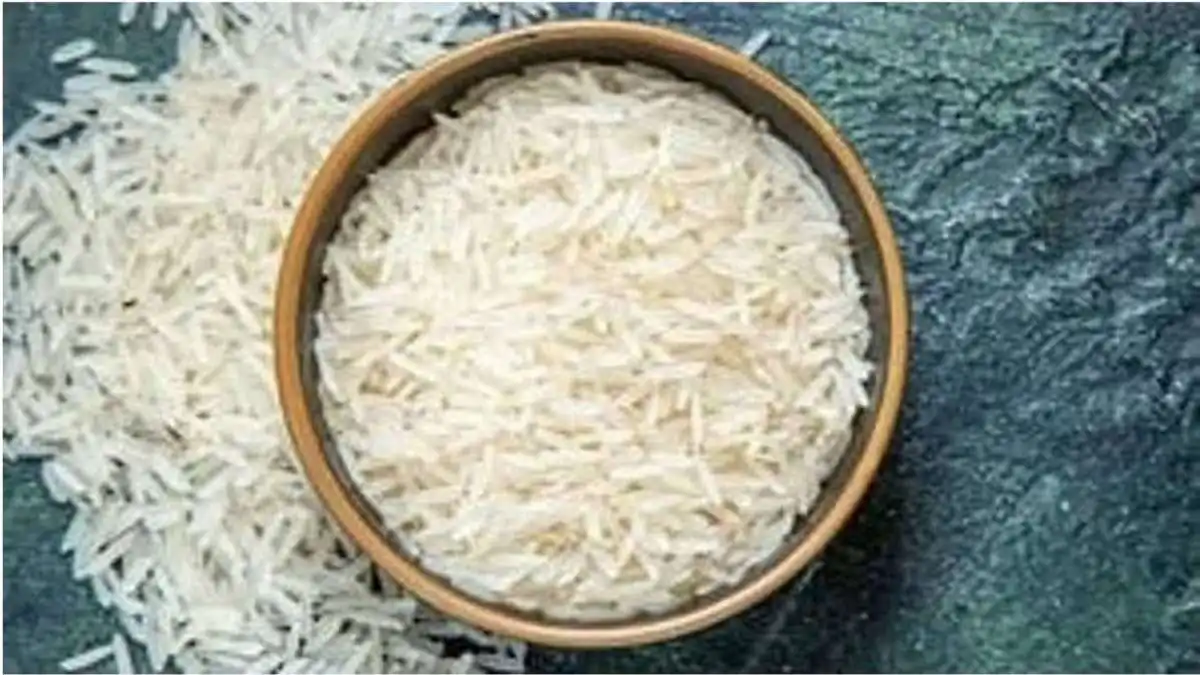
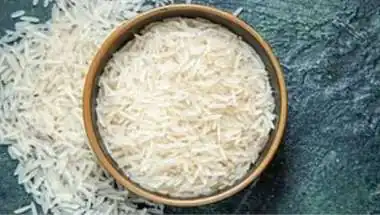
Under an order issued on November 6, all traders, wholesalers, retailers, big retail chains, processors and millers across states and Union Territories must report their rice and paddy stocks every Friday on the Food Stock Portal. The reports cover six categories: basmati rice, non-basmati premium rice, non-basmati rice, parboiled rice, broken rice and paddy.

The government said the information must be accurate and regularly updated. Entities that fail to register on the portal, or that break prescribed stock limits, could face action under the Essential Commodities Act, 1955.

Weekly reporting gives officials a regular view of where grain is sitting. That makes it easier to spot hoarding before it pushes up retail prices, instead of reacting only after prices have already risen.

Why the southern states are the focus

The Centre has given its concurrence to Andhra Pradesh, Karnataka, Kerala, Tamil Nadu and Telangana to impose stock limits on rice and paddy through control orders wherever needed. These limits can stay in force until January 31, 2027.

The choice of states is significant. Rice is the main staple across much of South India, so even a moderate price rise there hits household budgets harder than it would in wheat-eating regions. The government said retail prices in these states have shown firmness, and it has asked distribution agencies to expand their reach there.

To that end, NAFED, NCCF and Kendriya Bhandar will receive additional quantities of Bharat Rice and have been asked to widen their distribution channels to improve access to the subsidised grain.

The largest step is on supply. The OMSS (D) sale target for 2026-27 has been doubled from 25 LMT to 50 LMT. Sales so far are well ahead of last year: 25 LMT had been sold to private buyers through e-auctions by October 31, more than double the 11 LMT sold in the same period of the previous year.

That pace says two things. Bulk buyers have strong demand for government grain, and the original target was not enough to keep prices steady for the full year. Raising it now lets the Centre keep selling through winter instead of stopping halfway through the fiscal year.

For consumers, the real test will come in the next few months. Weekly disclosure, state-level limits, more Bharat Rice and double the open-market supply are all now in place. The coming months will show whether prices in southern markets ease before the stock-limit window closes on January 31, 2027.

With inputs from IANS

favorite Follow us for the latest updates:

Raaisha Upadhyay Verified Public Figure • 16 Mar, 2026 Editor

Digital Archives

home Home amp_stories Web Stories local_fire_department Trending play_circle Videos mark_email_unread Newsletter