




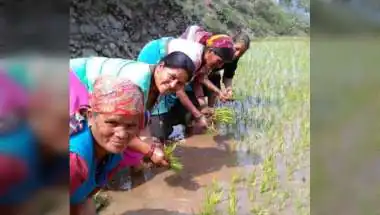






















For farmers in India's dry belts, the hardest rabi decision is often whether there is enough moisture in the soil to sow wheat at all. The Centre now wants that call to rest on district-level data rather than a fixed list.
"We are taking contingency planning to a new level with the development of a dynamic dashboard that will integrate the India Meteorological Department's (IMD) weekly forecasts, data on water bodies and other relevant information to help officials make decisions based on local conditions," Indian Council of Agricultural Research (ICAR) Director General ML Jat told journalists.
The dashboard will let users access information at the district level, he said.
A drought list that can change
Jat explained why a static approach does not work. A district first marked as vulnerable to drought could move out of that category if it gets enough rain in the coming days. The assessment should therefore be revised using updated IMD forecasts and rainfall data, including projections for the next 15 days.
In practice, this means a district's status could change within weeks, and the advice given to farmers there would change with it, instead of being fixed at the start of the season.
The urgency shows in the numbers. Rabi crops, including wheat, had been sown on around 3.8 million hectares as of October 30, about 46 per cent less than in the same period last year. A senior official said the gap is not only due to dry conditions: untimely rains in the wheat belt delayed sowing there, and the pace is expected to pick up now.
More than a drought tool
Jat said the dashboard will cover the whole country, not only the 225 identified districts, and will not be limited to contingency planning. It will also give advisories for normal farming conditions, helping farmers and officials decide what to do in different situations. ICAR eventually plans to link it with the AgriStack initiative so that data from different agricultural sources can be brought together.
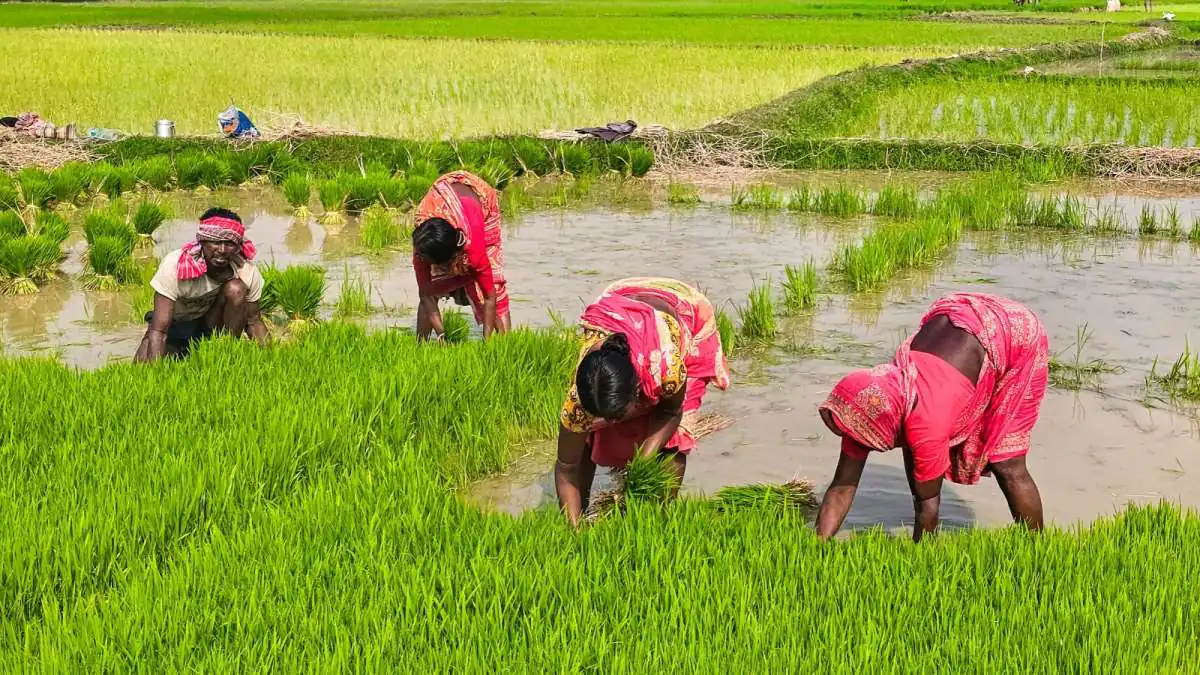
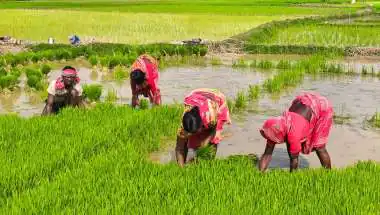
The government is also looking at changing what gets planted. ICAR has set up a task force to study growing more oilseeds and pulses on fallow land left after the rice harvest, which Jat said offers considerable scope for crop diversification.
"In places where residual soil moisture was insufficient for wheat, farmers could consider growing suitable oilseed and pulse crops instead," Jat observed.
This connects to a long-running national goal. India relies heavily on imports for edible oils and pulses, so using rice-fallow land for these crops could serve both drought adaptation and food self-sufficiency.
Jat added that a separate soil health policy is expected in the next two to four months, so that farmers can plan fertiliser use based on nutrient deficiency.
The coming weeks will show whether sowing catches up. Over the longer term, the bigger shift may be in how decisions are made: real-time forecasts, local water data and soil information combined in one system, which matters more each year as monsoons become harder to predict.
With inputs from IANS