






































Delhi AQI 236: Sunday's Dip From 327 Isn't a Recovery

Delhi's AQI fell from 327 to 236 overnight, but the air is still 'poor'. ITO hit 292 as winter sets in and the construction ban is lifted. Here's what it means.

Raaisha Upadhyay
Raaisha Upadhyay Verified Public Figure • 16 Mar, 2026 Editor
Nov 22, 2026 • 11:07 AM  4
N
National
NEWS CARD
Logo
Delhi AQI 236: Sunday's Dip From 327 Isn't a Recovery
“Delhi AQI 236: Sunday's Dip From 327 Isn't a Recovery”

Favicon
Read more on en.nav18.in/s/14be12
22 Nov 2026
https://en.nav18.in/s/14be12
Copied
Delhi AQI 236: Sunday's Dip From 327 Isn't a Recovery

A 91-point drop in a day sounds like good news. For Delhi, it mostly means the air went from very bad to bad.

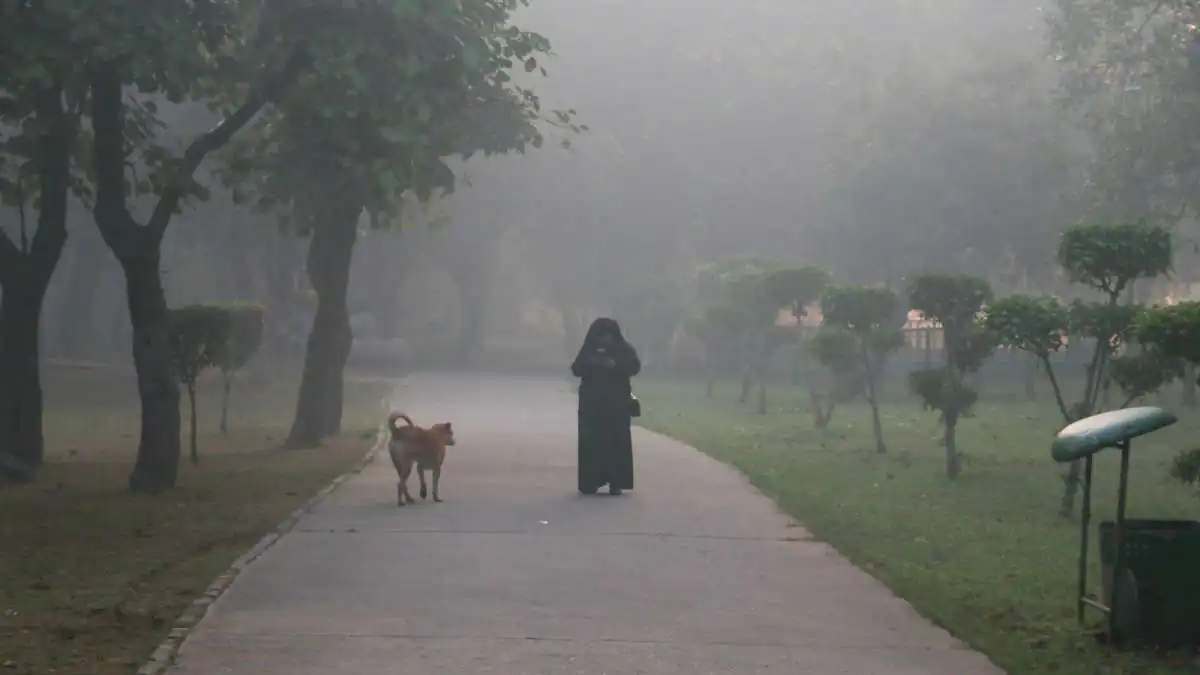
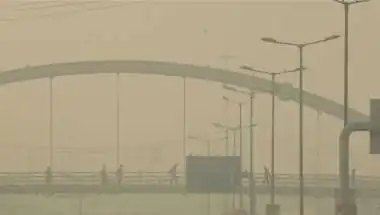
The national Capital recorded an average Air Quality Index (AQI) of 236 on Sunday, according to the Central Pollution Control Board (CPCB). That keeps the city in the 'poor' category, a level at which long exposure can cause breathing discomfort for most people. Only 24 hours earlier, at 8.20 a.m. on Saturday, the city had recorded an AQI of 327, which falls in the 'very poor' band.


The map tells a different story

The city-wide average hides how uneven the pollution is. The AQI near ITO, one of Delhi's busiest traffic junctions, stood at 292 on Sunday, close to the 'very poor' threshold. Anand Vihar, a regular entry on pollution hotspot lists, recorded 251.

Saturday's readings showed how fast things can turn. Sirifort recorded the highest AQI that day at 368, followed by Chandni Chowk at 366, Commonwealth Sports Complex at 362, Punjabi Bagh at 360, CRRI Mathura Road at 355 and Pusa at 353. These stations cover south, central, west and old Delhi, which suggests the problem was city-wide rather than local.

For Delhi residents, this pattern is familiar. Air quality swings sharply from day to day depending on wind speed and temperature. One better day rarely signals a lasting change.

Winter is the real variable

The minimum temperature on Sunday was around 14 degrees Celsius, a sign that winter conditions are setting in. This matters more than it seems. As temperatures fall and winds weaken, pollutants build up in the lower atmosphere instead of dispersing. That is why the coming weeks tend to be the most testing stretch of Delhi's pollution calendar.

The timing of the regulatory changes is significant against that backdrop. The Commission for Air Quality Management (CAQM) lifted its construction ban across the National Capital Region on Friday. The ban had been in place from November 5 to 20. With building activity able to resume just as the weather starts trapping dust and emissions, the coming days will show whether the remaining safeguards are enough.

What stays in place

The lifted ban does not mean controls are off. The Delhi government's separate winter pollution-control framework remains in force until January 31, and stricter measures are scheduled to take effect from December 10. Stage I and Stage II measures under the Graded Response Action Plan (GRAP) also continue across Delhi-NCR.

Under its October 30 order, CAQM has also issued separate directions on dust-generating demolition and outdoor construction, along with physical office attendance requirements.

The Delhi government has listed its own interventions as well. It has deployed 108 Mechanical Road Sweeping (MRS) machines across the National Capital Territory, carried out nearly 80 lakh plantation activities, and completed the redevelopment of 1,440.713 km of roads. Road dust is a major contributor to particulate pollution in the city, so the sweeping and road work target a real problem. The measurable effect will become clearer only as the season goes on.

The bottom line

Sunday's reading is a short break, not a turning point. With temperatures falling, construction resuming and tighter curbs still three weeks away, Delhi's air is likely to keep moving between 'poor' and 'very poor'. For residents, especially children, the elderly and people with respiratory conditions, the sensible approach is to keep checking daily AQI updates and to limit outdoor activity when levels rise.

With inputs from IANS

favorite Follow us for the latest updates:

Raaisha Upadhyay Verified Public Figure • 16 Mar, 2026 Editor

Digital Archives

home Home amp_stories Web Stories local_fire_department Trending play_circle Videos mark_email_unread Newsletter