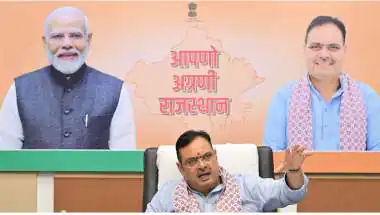




















The five-day festival of lights came to a close on Wednesday with Bhai Dooj, and chief ministers from Uttar Pradesh to Maharashtra marked it with messages about family, trust and togetherness. Their greetings shared one theme, the bond between brothers and sisters, but each CM spoke in the festival language of his own state.
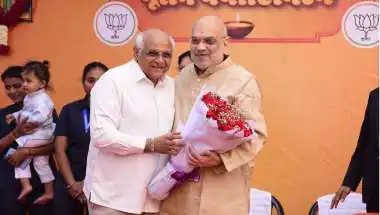
In Maharashtra, Chief Minister Devendra Fadnavis used the name the festival goes by in his state: "Wishing everyone a heartfelt and joyous Bhaubeej! May the beautiful bond between brothers and sisters continue to flourish with love, affection, and togetherness."
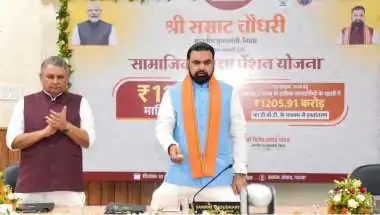
Uttarakhand Chief Minister Pushkar Singh Dhami sent the longest message of the three. He called the sibling bond "one of the most precious relationships in life, rooted in love, a sense of belonging, mutual trust and unwavering devotion to one another." He added, "May this sacred festival of Bhai Dooj bring happiness and prosperity into all your lives."
One Festival, Many Names
The three messages show how one festival looks across India. It is Bhaiya Dooj in the Hindi heartland, Bhau Beej in Maharashtra and Yama Dwitiya in scripture. The rituals stay largely the same everywhere. What changes is the local name, the regional sweets and the family customs around it.
The prayers to Maa Yamuna come from the Yama Dwitiya tradition. In popular belief, Yamuna welcomed her brother Yama, the god of death, to her home on this day. Because of this, the festival is linked to prayers for a brother's long life. It also explains why the CMs' messages spoke about well-being and protection, not just celebration.
Why Leaders' Greetings Resonate
Festival greetings from chief ministers have become a regular part of India's public life. Bhai Dooj is a festival about family, not a public spectacle, and the messages this year stayed on that ground. All three leaders spoke about trust, affection and closeness within the household. That makes Bhai Dooj an easy occasion for messages that people of every age and region can relate to. When leaders use local names like "Bhaubeej," the greeting also feels closer to the people of that state.
Rituals and Timing
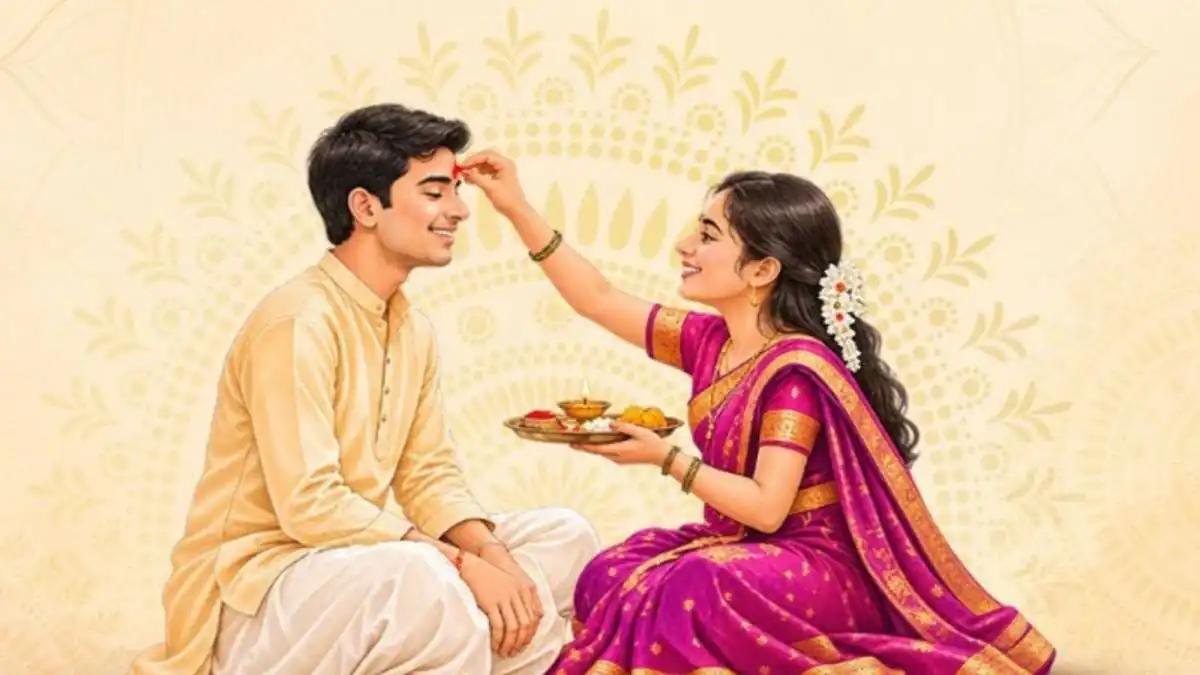
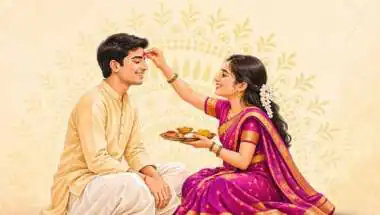
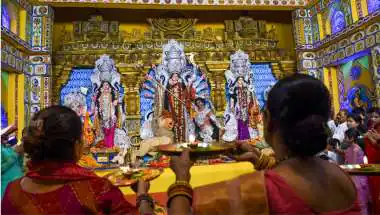
On Bhai Dooj, sisters apply tilak on their brothers' foreheads, perform aarti and pray for their long life, good health and prosperity. Brothers usually give gifts in return and promise to protect their sisters. The most important ritual is the tilak ceremony during the auspicious Aparahna Kaal. Puja timings vary across cities because local sunrise and sunset times differ, so families are advised to check the muhurat for their own city.
With Bhai Dooj, the Diwali season comes to an end, and this year's greetings from three chief ministers centred on family trust.
With inputs from IANS