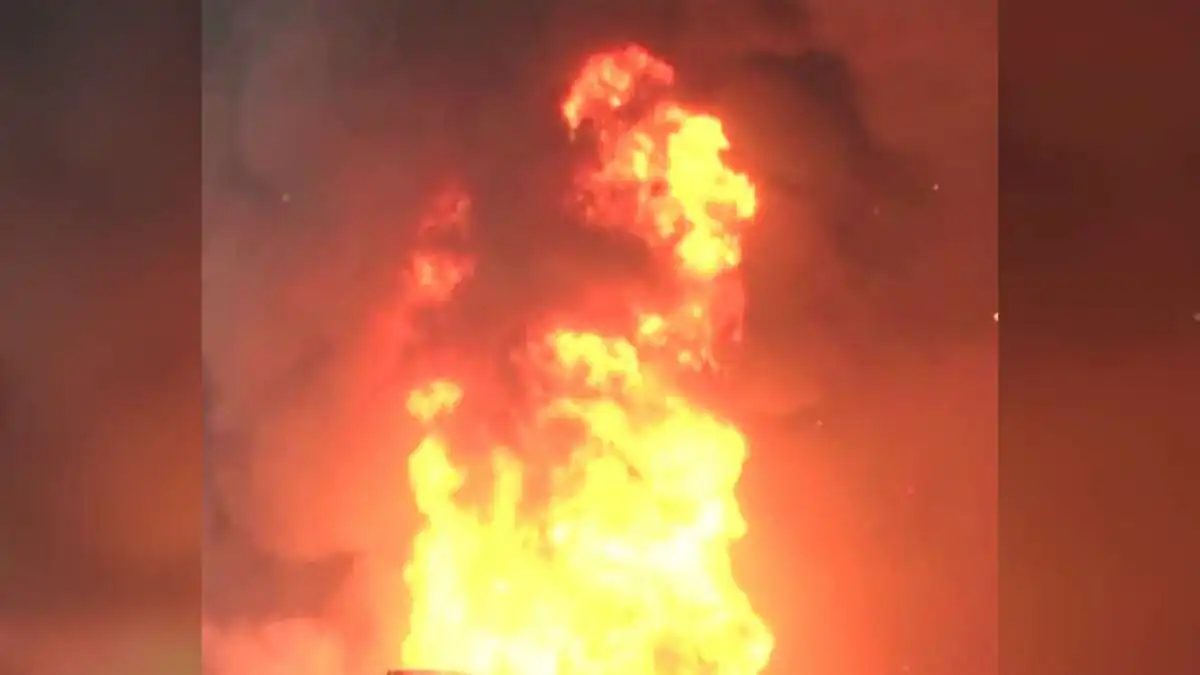
































Preliminary investigations indicate that a high-voltage electrical spark within the warmer’s heating filament ignited the unit. The high-concentration oxygen environment inherent to NICU care units accelerated the thermal runaway, causing flames to instantly engulf the enclosed bassinet before staff could manually isolate the power source.
Emergency Evacuation and Immediate Referral
Dr. Anshul Lamba, a pediatrician on duty at Chhindwara District Hospital, confirmed the technical failure that triggered the blaze.
“Newborns are kept in warmers after birth to keep their body temperature stable,” Dr. Lamba stated. “At night, the filament sparked suddenly and the fire broke out. All three babies suffered severe burns.”
Medical staff and duty nurses on night shift intervened using on-site fire extinguishers to suppress the flames and pull the neonates from the burning equipment. Medical personnel immediately initiated emergency stabilization and wound dressing.
However, given the deep-tissue nature of the thermal burns and the lack of a dedicated pediatric burn surgeon at the Chhindwara facility, hospital administrators ordered an immediate transfer to the tertiary care medical college in Jabalpur, located approximately 200 kilometers away.
The three infants were transported in specialized ambulances accompanied by a medical team consisting of two doctors and pediatric nursing staff. Attending physicians reported that one of the three newborns remains in extremely critical condition and may require immediate surgical intervention and mechanical ventilation.
Equipment Maintenance Protocols Under Scrutiny
District health authorities have ordered a formal administrative and technical inquiry into the tragedy. Investigators and biomedical engineers are inspecting the damaged radiant warmer to determine whether the electrical malfunction was caused by a manufacturing defect, voltage fluctuation, or inadequate routine maintenance.
The incident highlights ongoing safety vulnerabilities in public healthcare infrastructure across rural and tier-2 districts in India. Oxygen-rich medical environments present severe fire hazards if electrical medical devices lack functional auto-cutoff switches or regular thermal compliance audits.
Local health officials confirmed that safety logs, electrical load distributions, and equipment servicing records for the NICU ward have been impounded as part of the ongoing probe to establish accountability.