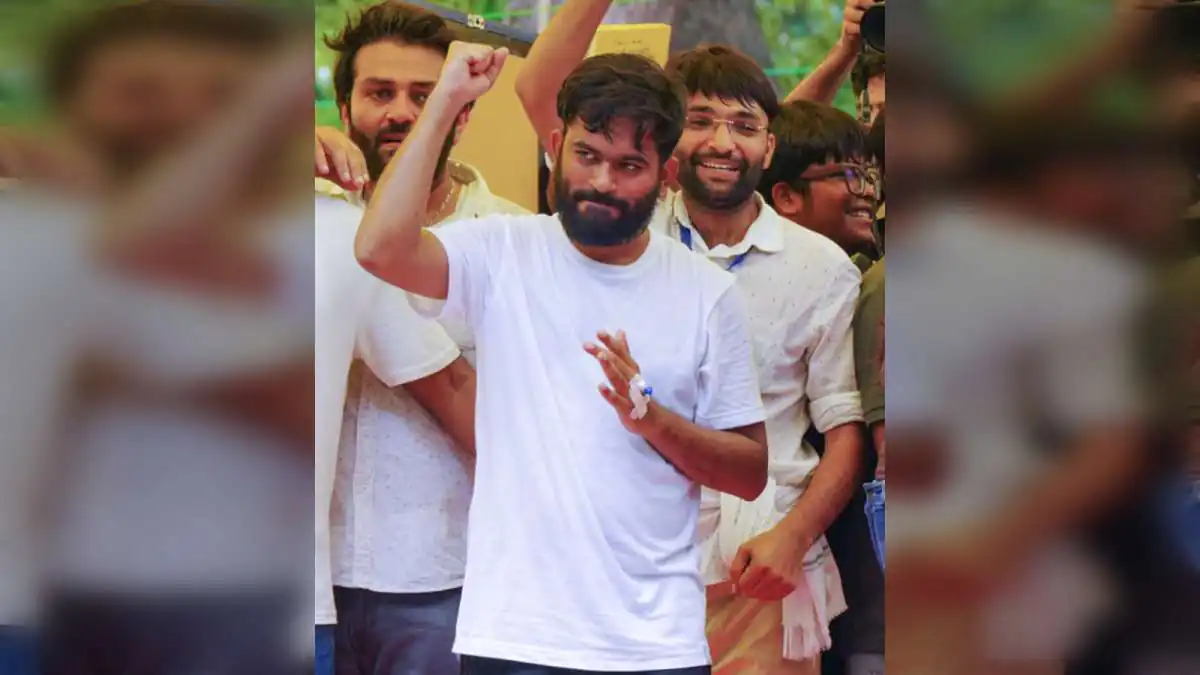
























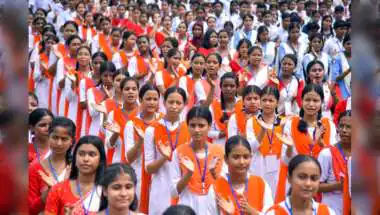
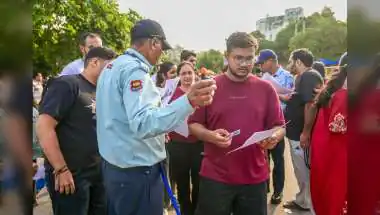


The recent protest at Delhi’s Jantar Mantar over the NEET paper leak, which was followed by the resignation of then Education Minister Dharmendra Pradhan, has raised expectations from the Dipke-led outfit, the functionary added.
Sources said that after the core committee meeting, Dipke will address a press conference to share the outcomes of the discussions. The agenda has been framed around deciding the future course of action for the CJP.
In media interactions after the Delhi protest ended, Dipke had indicated his intention to keep the CJP active as a “response group” focused on issues concerning students and youth. In recent days he has reiterated that the movement believes in peaceful and democratic methods and has clarified that it would neither allow any political party to use it as a front against the government nor itself join a political outfit.
Observers note that the challenge before Dipke and the CJP now lies in sustaining campaigns based on legitimate student grievances and continuing to influence change in the education sector.
Amid questions about the role of external actors in amplifying the movement, analysts have observed that while such forces cannot create public discontent where none exists, they can in some cases amplify existing grievances and accelerate mobilisation. The scale and speed of the recent protests, the CJP’s social media outreach, the participation of large numbers of young people and the movement’s momentum have prompted discussion in some quarters about whether it represents something broader than a domestic agitation.
While the concerns that fuelled the anti-paper-leak protests are regarded as serious, the manner in which the mobilisation expanded has been compared by some analysts to patterns seen in protest movements elsewhere over the past two decades.
The August 5 meeting is expected to provide clarity on whether the CJP will remain primarily an issue-based pressure group or move towards a more formal political role. The outcome will be closely watched given the visibility the movement gained during the recent student agitation.